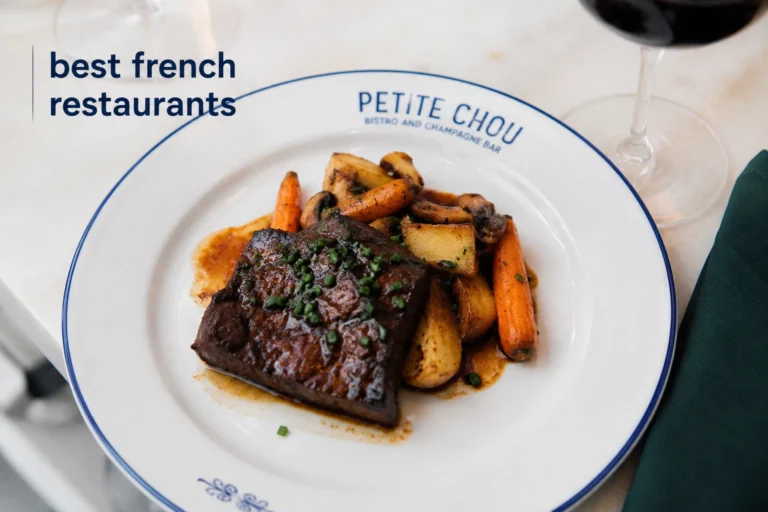
French cuisine has long been considered one of the world’s most influential culinary traditions. From elegant fine-dining establishments in Paris to celebrated French-inspired restaurants across the globe, the search for the best French restaurants continues to attract food lovers, travelers, and culinary enthusiasts alike.
What sets French dining apart is its dedication to technique, quality ingredients, and attention to detail. Whether you’re craving a perfectly prepared coq au vin, delicate soufflé, fresh oysters, or a classic crème brûlée, a great French restaurant offers much more than a meal. It provides a complete dining experience rooted in centuries of culinary heritage.
This guide explores what defines the best French restaurants, the dishes they are known for, and how to find an authentic French dining experience wherever you are.
What Makes the Best French Restaurants Stand Out?
Mastery of Culinary Technique
French cuisine is often regarded as the foundation of modern fine dining. Many cooking methods used in professional kitchens today originated in France. The best French restaurants showcase these techniques through carefully prepared dishes that emphasize flavor, texture, and presentation.
Chefs in top French establishments spend years mastering skills such as sauce preparation, braising, pastry making, and precision cooking. These techniques transform simple ingredients into memorable dining experiences that highlight craftsmanship rather than unnecessary complexity.
Guests often notice that every component on the plate serves a purpose. Nothing feels rushed or accidental, reflecting the discipline that defines French culinary culture.
Focus on High-Quality Ingredients
Exceptional ingredients play a central role in French cooking. The best French restaurants prioritize freshness, seasonality, and sourcing. Whether serving seafood, vegetables, cheeses, or meats, quality remains the foundation of every dish.
French culinary philosophy often emphasizes letting ingredients speak for themselves. Instead of overwhelming flavors with excessive seasoning, chefs focus on enhancing natural characteristics through careful preparation.
This commitment to ingredient quality is one reason French cuisine continues to earn international respect among food critics and professional chefs.
An Atmosphere Designed for Dining
A great French restaurant is about more than food alone. Ambiance, service, and attention to detail contribute significantly to the overall experience.
Many renowned establishments create environments that encourage guests to slow down and enjoy each course. Elegant table settings, knowledgeable staff, and thoughtfully curated wine lists help elevate the meal beyond simple dining.
The result is an experience that feels both sophisticated and welcoming, whether you’re celebrating a special occasion or enjoying a casual evening out.
Signature Dishes Found in Top French Restaurants
Classic French Main Courses
Many of the best French restaurants feature traditional dishes that have stood the test of time. These recipes often reflect regional culinary traditions that have been passed down through generations.
Popular French main courses include:
- Coq au vin
- Beef bourguignon
- Duck confit
- Bouillabaisse
- Cassoulet
- Steak frites
Each dish highlights a different aspect of French cooking, from slow braising techniques to the careful balance of flavors and textures.
Traditional recipes remain popular because they offer comfort, depth, and authenticity that modern diners continue to appreciate.
French Appetizers and Starters
French dining often begins with carefully crafted starters designed to prepare the palate for the meal ahead. Fresh ingredients and elegant presentation are common features.
Many restaurants serve dishes such as onion soup, pâté, escargots, oysters, and seasonal salads. These appetizers showcase both regional influences and classic French culinary techniques.
A well-executed starter sets the tone for the entire dining experience, demonstrating the restaurant’s attention to detail from the very beginning.
Famous French Desserts
No discussion of the best French restaurants would be complete without mentioning dessert. France is renowned for pastry artistry and dessert innovation.
Popular choices include crème brûlée, tarte tatin, profiteroles, macarons, mille-feuille, and soufflés. Many restaurants employ dedicated pastry chefs who specialize exclusively in dessert creation.
French desserts often balance richness with refinement. Rather than overwhelming sweetness, they focus on texture, technique, and elegant flavor combinations.
Types of French Restaurants
Fine Dining Establishments
Fine dining represents the highest expression of French culinary traditions. These restaurants often feature tasting menus, extensive wine selections, and meticulous service standards.
Guests can expect multiple courses, artistic presentation, and carefully curated pairings. Many internationally recognized French restaurants fall into this category and attract food enthusiasts from around the world.
While fine dining can be expensive, many diners view the experience as worthwhile because of the exceptional quality and attention to detail involved.
Traditional French Bistros
Bistros offer a more relaxed and accessible approach to French dining. Originally neighborhood establishments, they focus on comforting classics and welcoming hospitality.
A traditional bistro menu may include steak frites, onion soup, quiche, duck dishes, and homemade desserts. Portions are often generous, and the atmosphere tends to be casual yet charming.
Many travelers consider bistros the ideal place to experience authentic French cuisine without the formality of fine dining.
Modern French Restaurants
Contemporary French restaurants blend traditional techniques with modern creativity. Chefs experiment with presentation, ingredients, and global influences while maintaining respect for classic foundations.
These establishments appeal to diners seeking innovation without abandoning the essence of French culinary culture. Menus often change seasonally and reflect current food trends while preserving technical excellence.
Modern French dining demonstrates how a centuries-old culinary tradition continues to evolve and inspire new generations of chefs.
How to Choose the Best French Restaurant
Evaluate the Menu
A restaurant’s menu often reveals its culinary philosophy. The best French restaurants typically offer a balance of classic dishes, seasonal ingredients, and chef specialties.
Look for menus that demonstrate expertise rather than excessive variety. A focused selection often indicates a commitment to quality and execution.
Reading descriptions carefully can also provide insight into ingredient sourcing and preparation methods.
Consider Reviews and Reputation
Customer reviews and professional restaurant rankings can help identify standout establishments. Consistent praise for food quality, service, and atmosphere is often a positive sign.
While awards and recognition matter, personal preferences should also guide your decision. Some diners prefer traditional French cuisine, while others enjoy contemporary interpretations.
Combining expert opinions with customer experiences often leads to better dining choices.
Assess Wine and Beverage Programs
French dining and wine culture are closely connected. Many top restaurants invest significant effort into building thoughtful wine programs that complement their menus.
A knowledgeable staff capable of recommending pairings can greatly enhance the dining experience. Even guests with limited wine knowledge often appreciate guidance from experienced professionals.
The beverage program often reflects the overall attention to detail within the restaurant.
Why French Cuisine Remains Globally Influential
Culinary Education and Training
French cooking techniques form the foundation of many culinary schools worldwide. Concepts such as mise en place, sauce preparation, and kitchen organization originated within French culinary traditions.
Many renowned chefs began their careers studying French methods before developing their own unique styles. This educational influence continues to shape professional kitchens globally.
As a result, French cuisine remains deeply connected to culinary excellence and professional standards.
Cultural and Historical Significance
Best french restaurantscuisine represents centuries of cultural development and regional diversity. Different regions of France contribute unique ingredients, recipes, and traditions that enrich the country’s culinary landscape.
The global admiration for French food stems not only from taste but also from its history, craftsmanship, and dedication to quality. These values continue to resonate with diners around the world.
French restaurants help preserve these traditions while introducing them to new audiences.
Frequently Asked Questions
Q: What are the best French restaurants known for?
A: The best French restaurants are known for exceptional culinary techniques, high-quality ingredients, elegant presentation, attentive service, and classic dishes such as coq au vin, beef bourguignon, and crème brûlée.
Q: What is the difference between a French bistro and a fine-dining restaurant?
A: A best french restaurants bistro typically offers a casual atmosphere and traditional comfort food, while fine-dining restaurants focus on elaborate menus, sophisticated service, and highly refined culinary techniques.
Q: What are the most popular French dishes?
A: Popular best french restaurants dishes include coq au vin, duck confit, beef bourguignon, bouillabaisse, escargots, onion soup, steak frites, and various pastries and desserts.
Q: Are French restaurants expensive?
A: Prices vary widely. Fine-dining establishments can be costly, while many bistros and neighborhood French restaurants offer excellent cuisine at more affordable prices.
Q: Why is French cuisine considered prestigious?
A: Best french restaurants cuisine is respected for its culinary techniques, historical influence, emphasis on quality ingredients, and role in shaping modern professional cooking around the world.
Conclusion
The best French restaurants offer far more than exceptional food. They celebrate a culinary tradition built on craftsmanship, quality, and a genuine appreciation for dining as an experience. From elegant fine-dining destinations to welcoming neighborhood bistros, French restaurants continue to influence global food culture through their commitment to excellence.
Whether you’re exploring classic dishes for the first time or seeking an authentic culinary adventure, French cuisine provides a remarkable combination of flavor, history, and artistry. By understanding what makes these establishments special, diners can better appreciate the traditions that have made French cooking one of the world’s most admired culinary legacies.