
Many parents searching for better sleep solutions have come across the idea of a weighted blanket for kids. These specially designed blankets are heavier than traditional blankets and provide gentle, evenly distributed pressure across the body. The sensation is often compared to a comforting hug, which many children find calming and reassuring.
Interest in weighted blanket for kids has grown significantly in recent years, particularly among parents looking for ways to help children relax before bedtime. While these blankets are not a medical treatment, research and expert guidance suggest they may support comfort, relaxation, and improved sleep for some children when used appropriately.
This guide explores how weighted blanket for kids work, their potential benefits, important safety considerations, and practical tips for choosing the best option for your child.
What Is a Weighted Blanket for Kids?
Understanding How Weighted Blankets Work
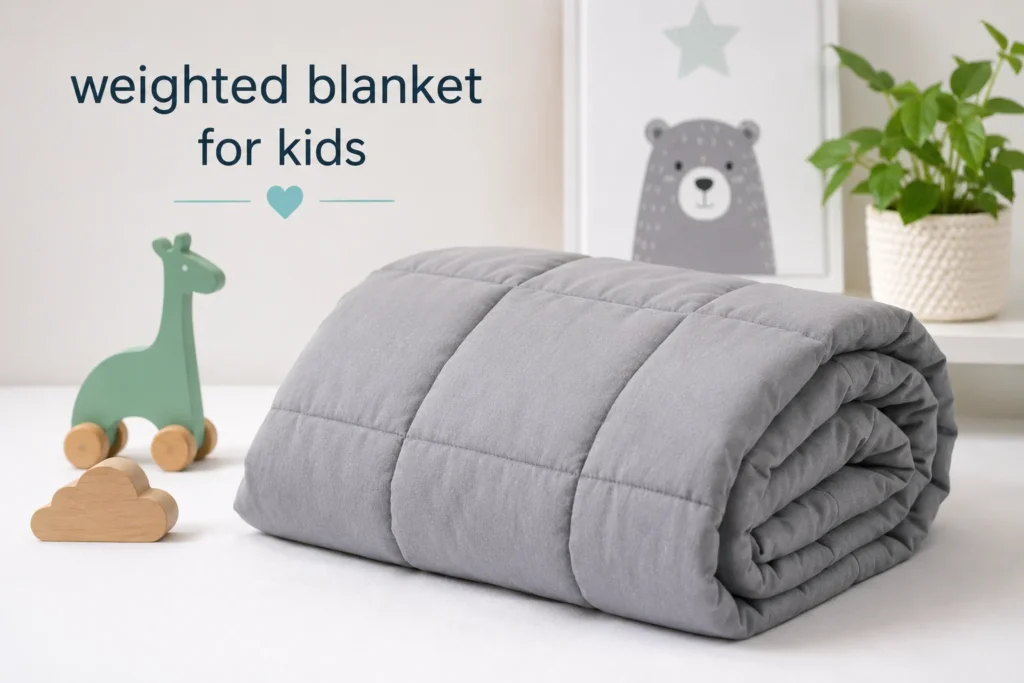
A weighted blanket for kids for kids is a blanket filled with materials such as glass beads or plastic pellets that increase its weight. Unlike ordinary blankets, the weight is distributed evenly across the body to create gentle pressure known as deep pressure stimulation.
Deep pressure stimulation is believed to produce a calming effect by encouraging relaxation. Many children describe the sensation as feeling secure, cozy, and comforted while resting or sleeping.
The concept is similar to the comforting feeling children experience when being hugged, cuddled, or wrapped in a soft blanket during quiet time.
Why Parents Are Choosing Weighted Blankets
Modern family life can be busy and overstimulating. Many children have difficulty winding down at the end of the day, especially after spending time at school, participating in activities, or using digital devices.
Parents often explore weighted blankets as part of a healthy bedtime routine. Combined with consistent sleep habits, calming activities, and a comfortable sleep environment, these blankets may help some children settle more easily before bed.
Growing awareness through pediatric therapists, sleep specialists, and parent communities has also contributed to their popularity.
How Weighted Blankets Differ From Regular Blankets
Traditional blankets primarily provide warmth. A weighted blanket for kids blanket adds gentle pressure in addition to comfort and insulation. The goal is not simply to keep a child warm but to create a soothing sensory experience.
The weight is carefully distributed throughout the weighted blanket for kids to avoid concentrated pressure points. High-quality designs typically include stitched compartments that keep the filling evenly spread across the entire surface.
This combination of comfort and pressure is what makes weighted blankets unique compared to standard bedding options.
Potential Benefits of Weighted Blankets for Children
Encouraging Relaxation Before Bedtime
One of the most commonly reported benefits of a weighted blanket for kids is its ability to promote relaxation. The gentle pressure may help children feel calmer as they transition from active daytime routines to nighttime rest.
Many parents incorporate the blanket into bedtime activities such as reading, listening to quiet music, or practicing mindfulness exercises. These routines can help signal to the brain that it is time to unwind.
A calm bedtime environment often contributes to better sleep habits over the long term.
Supporting Better Sleep Quality
Some children struggle with frequent movement, restlessness, or difficulty settling into sleep. Weighted blankets may help create a feeling of stability that encourages longer periods of relaxation.
Although experiences vary from child to child, some families report improvements in bedtime routines and nighttime comfort after introducing a properly sized weighted blanket.
Sleep quality depends on many factors, including sleep schedules, room temperature, emotional well-being, and overall health. A weighted blanket for kids should be viewed as one component of a broader sleep strategy.
Providing Sensory Comfort
Children who enjoy sensory input may appreciate the feeling of gentle pressure from a weighted blanket for kids. Occupational therapists sometimes discuss deep pressure stimulation as a comforting sensory experience for certain individuals.
The blanket may provide reassurance during quiet activities such as reading, watching a movie, or resting after a busy day. For many children, the experience feels soothing and comforting rather than restrictive.
This sensory comfort is one reason weighted blanket for kids have become popular in homes, classrooms, and therapy settings.
Safety Considerations Parents Should Know
Choosing the Right Weight
Safety should always be the first priority when selecting a weighted blanket for kids. Experts generally recommend choosing a blanket that is approximately 10 percent of a child’s body weight, though recommendations can vary.
A blanket that is too heavy may feel uncomfortable and make it difficult for a child to move freely. Proper sizing helps ensure the blanket remains both effective and safe.
Parents should carefully follow manufacturer guidelines and age recommendations before making a purchase.
Age and Developmental Factors
Weighted blankets are not suitable for every child. Young children, especially infants and toddlers, should not use weighted blankets due to safety concerns.
Children should be able to remove the blanket independently and communicate if they feel uncomfortable. Parents should consider their child’s age, physical abilities, and developmental stage when deciding whether a weighted blanket is appropriate.
When in doubt, consulting a pediatrician or healthcare professional is a sensible step.
Monitoring Comfort and Use
Every child responds differently to sensory experiences. Some children immediately enjoy the feeling of a weighted blanket, while others may prefer lighter options.
Introducing the blanket gradually can help determine whether it feels comfortable. Parents should observe how their child responds and discontinue use if signs of discomfort occur.
A weighted blanket should never restrict movement or breathing. Comfort and safety must always remain the top priorities.
How to Choose the Best Weighted Blanket for Kids
Look for Quality Materials
The materials used in a weighted blanket play a significant role in comfort and durability. Soft, breathable fabrics are often preferred because they help regulate temperature throughout the night.
Many modern blankets feature removable covers that simplify cleaning and maintenance. This can be especially helpful for children who use the blanket daily.
Quality stitching is equally important because it prevents the weighted filling from shifting over time.
Consider Size and Dimensions
A weighted blanket should match the size of the child’s body rather than the size of the bed. Oversized blankets may distribute weight unevenly and reduce effectiveness.
The goal is to provide gentle pressure across the child’s body without excessive weight extending beyond the edges of the mattress.
Manufacturers typically provide sizing charts that help parents select an appropriate option based on height and weight.
Evaluate Ease of Care
Children’s bedding often requires regular cleaning, making maintenance an important consideration. Machine-washable covers and durable fabrics can save time and extend the life of the blanket.
Checking care instructions before purchasing helps ensure the blanket fits comfortably into your household routine.
A well-maintained blanket will remain comfortable, hygienic, and effective for years of regular use.
Creating a Healthy Sleep Environment
Combining the Blanket With Good Sleep Habits
Even the best weighted blanket for kids works most effectively when paired with healthy sleep practices. Consistent bedtimes, reduced screen exposure before sleep, and a quiet bedroom environment remain essential.
Children benefit from predictable routines that help them transition from activity to rest. Reading a story, taking a warm bath, or engaging in quiet conversation can reinforce these habits.
The blanket should support these routines rather than replace them.
Managing Expectations
Weighted blankets are not a cure for sleep problems or behavioral challenges. Their primary purpose is to provide comfort and relaxation for children who enjoy gentle pressure.
Results vary widely between individuals. Some children experience noticeable benefits, while others may see little difference.
Understanding these realistic expectations helps parents make informed decisions without relying on exaggerated claims.
Frequently Asked Questions
Q: Are weighted blankets safe for children?
A: Weighted blankets can be safe for many children when they are appropriately sized and used according to manufacturer recommendations. They are generally not recommended for infants or very young children. Parents should ensure their child can move the blanket independently.
Q: What weight should a weighted blanket for kids be?
A: Many experts suggest choosing a blanket that weighs roughly 10 percent of a child’s body weight, although recommendations may vary. Following manufacturer guidelines and consulting a healthcare professional when needed is advisable.
Q: Can weighted blankets help children sleep better?
A: Some children find weighted blankets calming and comforting, which may support relaxation and bedtime routines. Sleep outcomes vary, and the blanket works best alongside healthy sleep habits.
Q: At what age can a child use a weighted blanket?
A: Age recommendations differ by manufacturer. Generally, children should be old enough to remove the blanket independently and communicate discomfort if necessary.
Q: Do weighted blankets make children too hot?
A: Modern weighted blankets often use breathable materials designed to reduce overheating. Choosing temperature-regulating fabrics can help improve comfort during sleep.
Conclusion
A weighted blanket for kids can be a valuable addition to a child’s bedtime routine when chosen carefully and used safely. By providing gentle, evenly distributed pressure, these blankets may encourage relaxation, sensory comfort, and a more calming transition into sleep.
Success depends on selecting the correct weight, prioritizing safety, and maintaining realistic expectations. While weighted blankets are not a medical solution, many families find them helpful as part of a broader approach to healthy sleep and emotional well-being.
For parents exploring ways to create a more restful bedtime experience, a thoughtfully chosen weighted blanket may offer the comfort and reassurance many children need to relax and settle down at the end of the day.