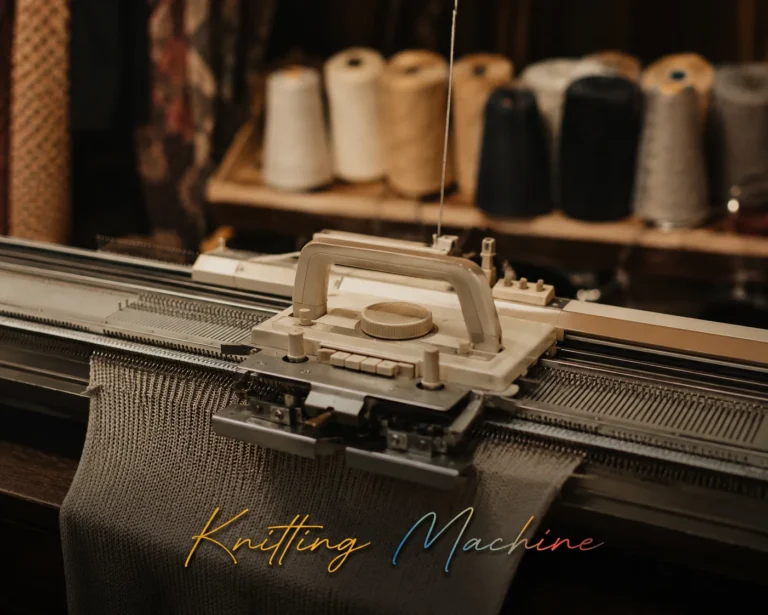
A knitting machine has transformed the way people create knitted fabrics, garments, and accessories. Whether used by hobbyists at home or manufacturers in textile factories, these machines make it possible to produce knitted items with greater speed, consistency, and efficiency than traditional hand knitting.
Modern knitting machine technology ranges from simple manual devices designed for beginners to advanced computerized systems capable of producing intricate patterns and professional-quality textiles. As interest in handmade crafts and custom fashion continues to grow, many people are discovering how a knitting machine can expand creative possibilities while saving valuable time.
This guide explores everything you need to know about knitting machine, including how they work, different types available, key benefits, practical applications, and tips for selecting the right machine for your needs.
What Is a Knitting Machine?
Understanding the Basics
A knitting machine is a mechanical or computerized device that forms knitted fabric by interlocking loops of yarn. Unlike hand knitting, where stitches are created one at a time using needles, the machine uses multiple needles working together to produce rows of stitches quickly and consistently.
The basic principle remains the same as traditional knitting machine. Yarn is fed through a system of hooks or needles that create interconnected loops, forming fabric. What differs is the speed and precision with which the process occurs.
knitting machine can be used for producing scarves, sweaters, hats, blankets, socks, and even complex fashion garments. Their versatility makes them popular among hobbyists, designers, and textile manufacturers alike.
A Brief History of Knitting Machines
The development of knitting dates back several centuries. Early mechanical knitting devices were created to increase textile production and reduce labor-intensive hand knitting processes.
Over time, technological advancements introduced more sophisticated systems capable of creating intricate stitch patterns and large-scale production runs. Today’s computerized models combine traditional textile principles with digital programming, allowing remarkable accuracy and design flexibility.
Despite these innovations, the core purpose remains unchanged: creating knitted fabric more efficiently while maintaining quality and consistency.
How a Knitting Machine Works
Most knitting use a series of needles arranged in a bed or circular configuration. As yarn passes through the machine, the needles manipulate it into loops that connect with previous stitches.
Depending on the machine type, users may manually move a carriage, turn a crank, or operate computerized controls. Different stitch settings allow for various textures, patterns, and fabric densities.
The result is a smooth, uniform fabric produced much faster than manual knitting methods.
Types of Knitting Machines
Flat Bed Knitting Machines
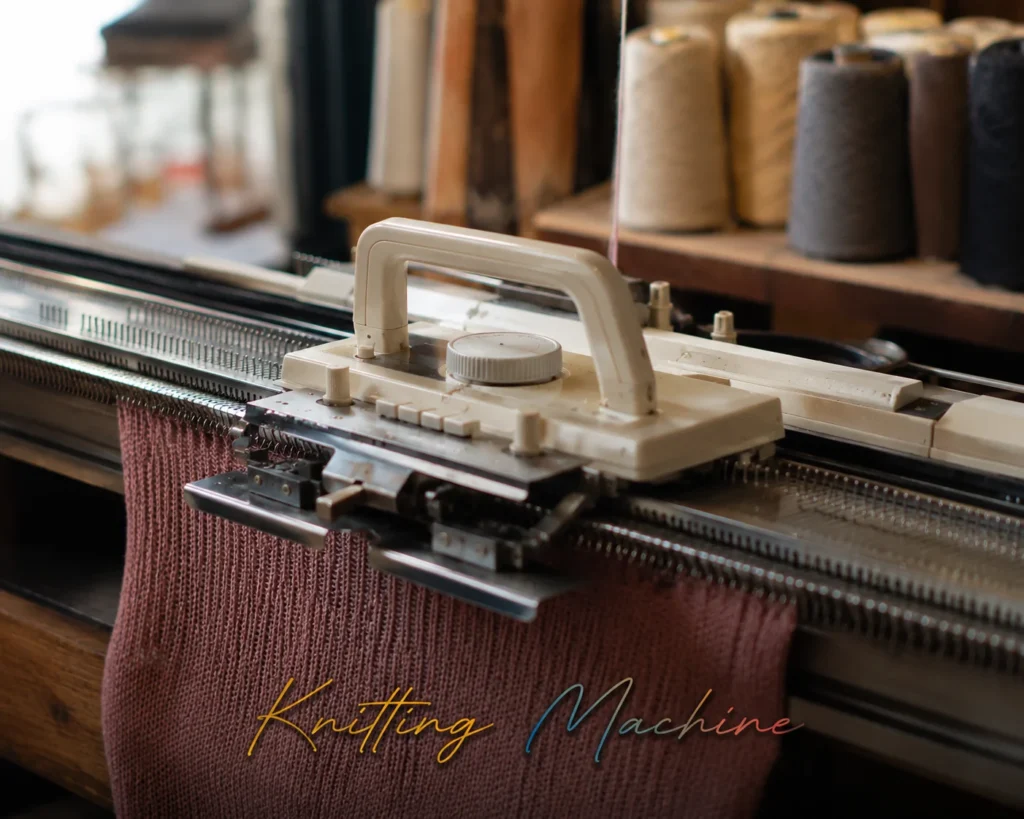
Flat bed knitting feature needles arranged in a straight line. These machines are commonly used for creating panels of fabric that can later be sewn into garments.
Many home knitters prefer flat bed models because they offer excellent control over stitch patterns and garment shaping. They are particularly useful for sweaters, cardigans, and custom-designed fashion pieces.
Advanced versions can create highly detailed designs, lace patterns, and textured fabrics with impressive precision.
Circular Knitting Machines
Circular knitting use needles positioned in a circular arrangement. Instead of producing flat panels, they create seamless tubular fabrics.
These machines are widely used for making hats, socks, sleeves, and certain types of garments. Home hobbyists often appreciate circular machines because they are relatively easy to learn and can produce finished items quickly.
Industrial circular knitting are also extensively used in textile manufacturing for producing large quantities of knitted fabric.
Computerized Knitting Machines
Computerized knitting machines represent the most advanced category available today. These systems allow users to program patterns digitally and automate complex knitting machine operations.
Fashion designers and textile professionals often rely on computerized models for intricate designs that would be difficult or time-consuming to create manually. Digital controls improve precision and reduce production errors.
Although these machines typically require a larger investment, they offer unmatched flexibility for creative and commercial applications.
Benefits of Using a Knitting Machine
Faster Production
One of the biggest advantages of a knitting is speed. Projects that might require days or weeks of hand knitting can often be completed in a fraction of the time.
This efficiency makes knitting especially valuable for small businesses, independent designers, and crafters who regularly produce multiple items. Faster production allows creators to focus more on design and less on repetitive stitching.
Even hobbyists appreciate the ability to complete projects quickly without sacrificing quality.
Consistent Stitch Quality
Maintaining uniform tension by hand can be challenging, particularly for beginners. Knitting machines help create even stitches throughout the fabric, resulting in a professional appearance.
Consistency is particularly important for garments, where irregular stitches can affect fit and overall presentation. Machine knitting minimizes many common variations associated with manual techniques.
The result is cleaner, more polished fabric suitable for personal and commercial use.
Expanded Creative Possibilities
Modern knitting machines support a wide variety of stitch patterns, textures, and fabric constructions. Users can experiment with techniques that may be difficult to achieve through traditional hand knitting alone.
Many machines allow for colorwork, lace patterns, ribbing, cables, and decorative designs. Computerized models expand these possibilities even further by enabling digital pattern programming.
This creative flexibility appeals to both artistic hobbyists and professional textile designers.
Choosing the Right Knitting Machine
Consider Your Skill Level
Beginners often benefit from starting with simpler manual or circular knitting machines. These models are generally easier to operate and require less technical knowledge.
More experienced users may prefer flat bed or computerized machines that offer greater design control and advanced functionality. Selecting a machine that matches your current skill level helps ensure a positive learning experience.
As confidence grows, users can gradually explore more sophisticated equipment.
Evaluate Project Goals
Different knitting projects require different machine capabilities. Someone interested in creating hats and scarves may find a circular machine sufficient, while garment designers often need the versatility of a flat bed model.
Before purchasing, consider the types of items you plan to produce most frequently. Matching machine features to project requirements can prevent unnecessary expense and frustration.
Long-term goals should also factor into the decision-making process.
Budget and Maintenance
Knitting machines vary widely in price depending on size, features, and automation level. Entry-level models are often affordable, while professional computerized systems represent a larger investment.
Maintenance requirements should also be considered. Regular cleaning, proper storage, and occasional replacement of parts help ensure reliable performance and extend machine lifespan.
Choosing a reputable manufacturer can make future maintenance and support easier.
Common Applications of Knitting Machines
Home Crafting and Hobby Projects
Many people use knitting machines to create personalized gifts, clothing, and home décor items. Handmade scarves, blankets, sweaters, and hats remain popular projects among hobbyists.
Machine knitting allows crafters to enjoy the creative aspects of design while reducing the time spent on repetitive stitching tasks.
This balance of creativity and efficiency contributes to the growing popularity of machine knitting communities.
Fashion Design and Small Businesses
Independent fashion designers often rely on knitting machines to produce custom garments and prototype collections. The ability to quickly test designs and create samples supports creative experimentation.
Small businesses also benefit from increased production capacity while maintaining control over quality and customization. This flexibility makes machine knitting attractive for boutique apparel brands.
The technology bridges the gap between handmade craftsmanship and commercial production.
Industrial Textile Manufacturing
Large-scale textile manufacturers use advanced knitting machines to produce fabrics for clothing, sportswear, medical textiles, and technical applications.
Industrial systems operate continuously and can generate significant quantities of knitted material with remarkable consistency. Automation improves efficiency while reducing production costs.
These machines play a vital role in the global textile industry.
Frequently Asked Questions
Q: What is a knitting machine used for?
A: A knitting machine is used to create knitted fabrics and finished items such as sweaters, hats, scarves, socks, and blankets. It automates the knitting process, making production faster and more consistent than hand knitting.
Q: Is a knitting machine suitable for beginners?
A: Yes. Many entry-level knitting machines are designed specifically for beginners. Circular and basic manual machines are often easier to learn and provide a practical introduction to machine knitting.
Q: Can a knitting machine replace hand knitting?
A: A knitting machine can significantly speed up production, but it does not completely replace hand knitting. Many crafters use both methods depending on project requirements and personal preferences.
Q: What types of yarn work best with knitting machines?
A: The ideal yarn depends on the machine model. Most manufacturers provide recommended yarn weights and fiber types to ensure smooth operation and optimal stitch quality.
Q: Are computerized knitting machines worth the investment?
A: For serious hobbyists, designers, and businesses, computerized knitting machines can be highly valuable. They offer advanced pattern capabilities, greater efficiency, and enhanced design flexibility.
Conclusion
A knitting machine is one of the most valuable tools available for creating knitted fabrics efficiently and consistently. From simple home crafting projects to large-scale textile manufacturing, these machines provide speed, precision, and creative freedom that traditional hand knitting alone cannot always achieve.
With options ranging from beginner-friendly circular models to sophisticated computerized systems, there is a knitting machine suited to nearly every skill level and project goal. Understanding the different types, features, and applications can help you make an informed decision when choosing the right equipment.
Whether you are a hobbyist looking to complete projects faster or a designer seeking greater creative control, a knitting machine can open the door to new possibilities in the world of knitting and textile creation.