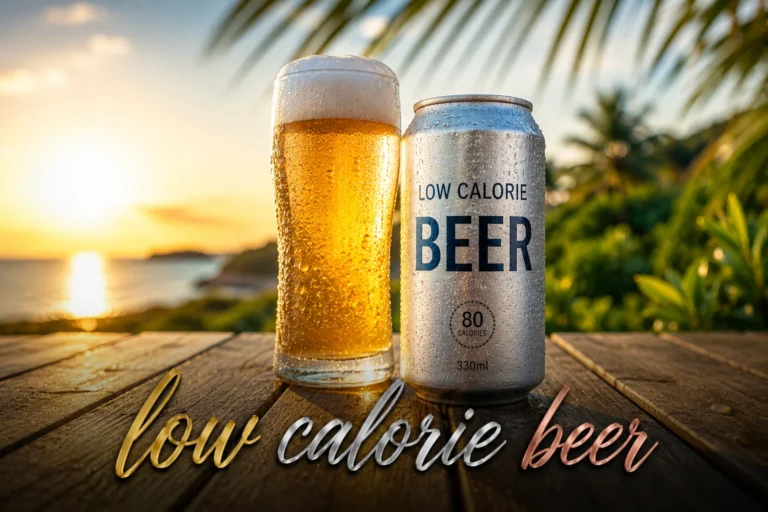
Beer lovers no longer have to choose between enjoying a cold brew and watching their calorie intake. The rise of low calorie beer has transformed the brewing industry, offering lighter options that deliver refreshment with fewer calories than traditional beers.
Whether you’re trying to manage your weight, reduce your alcohol intake, or simply make more mindful lifestyle choices, low calorie beer has become a popular alternative to regular lagers, ales, and craft brews. Modern brewing techniques have made it possible to create beers that maintain flavor while reducing calories, carbohydrates, and often alcohol content.
This guide explains what low calorie beer is, how it differs from regular beer, its nutritional profile, potential benefits, and how to choose the best option for your preferences.
What Is Low Calorie Beer?
Understanding the Basics
Low calorie beer is a beer that contains fewer calories than a standard beer serving. While calorie counts vary by brand and style, many light beers contain between 55 and 110 calories per 12-ounce serving, compared with approximately 150 calories or more in a typical beer.
The lower calorie count is usually achieved by reducing alcohol content, decreasing residual sugars, or limiting carbohydrates during the brewing process. Since alcohol itself contains significant calories, lowering the alcohol by volume (ABV) is one of the most effective ways brewers reduce total calories.
How Brewers Reduce Calories
Beer calories come primarily from alcohol and carbohydrates. Brewers use several methods to create lighter products while maintaining drinkability and flavor.
Common techniques include:
- Lowering alcohol content
- Using fewer fermentable sugars
- Increasing fermentation efficiency
- Reducing residual carbohydrates
- Employing specialized brewing enzymes
These adjustments help produce beers that appeal to calorie-conscious consumers without completely sacrificing taste.
Low Calorie Beer vs Light Beer
The terms “light beer” and “low calorie beer” are often used interchangeably, but they are not always identical. Light beer generally refers to beer with reduced calories and carbohydrates compared to the brewer’s standard product.
Some modern low calorie beers go even further by significantly lowering both calories and carbs while maintaining moderate flavor profiles. In many cases, however, the two categories overlap considerably.
Why Low Calorie Beer Has Become Popular
Growing Interest in Health-Conscious Drinking
Consumers today are paying closer attention to nutritional labels, calorie intake, and overall wellness. This shift has influenced every segment of the beverage industry, including beer.
Many people still enjoy drinking socially but want options that better align with fitness goals and healthy lifestyle habits. Low calorie beer allows consumers to enjoy beer while reducing overall calorie consumption.
The trend has become particularly popular among individuals who track calories, follow weight-management plans, or prefer lighter alcoholic beverages.
Better Taste Than Previous Generations
Years ago, low calorie beers often carried a reputation for weak flavor. Modern brewing innovation has changed that perception significantly.
Today’s breweries use advanced brewing techniques to preserve aroma, mouthfeel, and balance while reducing calories. As a result, many consumers find it difficult to distinguish some premium low calorie beers from traditional lagers.
This improvement in taste has contributed significantly to the category’s rapid growth.
Wider Availability
Low calorie options are no longer limited to a few mainstream brands. Consumers can now find light lagers, session IPAs, low-carb ales, and even lower-calorie craft beers.
The increased variety means there is usually an option available for nearly every beer preference, whether someone enjoys crisp lagers, hoppy beers, or non-alcoholic alternatives.

Nutritional Profile of Low Calorie Beer
Calories and Alcohol Content
One of the strongest predictors of calorie content in beer is alcohol percentage. Higher ABV beers generally contain more calories because alcohol provides approximately seven calories per gram.
Many low calorie beers maintain alcohol levels around 3% to 4.5% ABV, helping keep calorie counts lower than stronger craft beers and specialty brews.
Carbohydrates and Sugar
Low calorie beer often contains fewer carbohydrates than regular beer. Brewers achieve this by reducing residual sugars that remain after fermentation.
For consumers following low-carb eating plans, this can make certain light beers a more attractive option than traditional full-strength lagers. However, nutritional values vary significantly between brands, so checking product information remains important.
Non-Alcoholic Alternatives
The growth of non-alcoholic beer has created another category of lower-calorie options. Because alcohol contributes significantly to calorie content, many alcohol-free beers contain substantially fewer calories than traditional beers.
However, not all alcohol-free beers are automatically low in calories. Some products contain added sugars or ingredients that increase calorie counts, making label reading essential.
Popular Types of Low Calorie Beer
Light Lagers
Light lagers remain the most popular category. Their crisp flavor, mild bitterness, and broad availability make them accessible to many consumers.
Examples often include beers with calorie counts under 110 calories per serving while maintaining familiar lager characteristics. Brands such as Michelob Ultra, Miller Lite, and various light lagers dominate this segment.
Session IPAs
IPA lovers are no longer excluded from lower-calorie options. Session IPAs are brewed with lower alcohol content while retaining hop aroma and flavor.
These beers offer a compromise between craft beer character and calorie-conscious drinking. Many breweries now produce session-style IPAs specifically designed for consumers seeking lighter alternatives.
Low-Carb Craft Beer
Craft breweries have increasingly entered the low calorie market. Rather than simply reducing flavor, many focus on creating balanced beers with lower carbohydrate and calorie counts.
These products appeal to consumers who enjoy craft beer complexity but want a lighter nutritional profile than traditional high-ABV craft offerings.
Is Low Calorie Beer Better for Weight Management?
Understanding the Calorie Difference
Replacing higher-calorie beer with lower-calorie alternatives can reduce overall calorie intake. For individuals who regularly consume beer, even small calorie reductions per serving may add up over time.
However, moderation remains important. Drinking multiple low calorie beers can still contribute a substantial number of calories, especially when combined with calorie-dense foods often consumed during social events.
Alcohol Still Matters
Many people focus solely on calorie counts while overlooking alcohol intake. Even lighter beers contain alcohol, and excessive consumption may negatively affect overall health.
Experts generally emphasize moderation as the most important factor. Choosing lower-calorie options can be helpful, but responsible drinking habits remain essential.
Lifestyle Choices Matter Most
Weight management depends on overall dietary patterns, physical activity, sleep quality, and long-term habits. Low calorie beer can fit into a balanced lifestyle, but it is not a substitute for healthy nutrition and exercise.
The most successful approach combines mindful drinking with broader wellness practices.
How to Choose the Best Low Calorie Beer
Check the Alcohol Percentage
A useful rule of thumb is that lower ABV often means fewer calories. While exceptions exist, alcohol content is generally one of the strongest indicators of calorie levels.
Read Nutrition Information
When available, nutritional information can help compare calorie counts, carbohydrates, and serving sizes. Different brands use different formulations, making direct comparison valuable.
Consider Flavor Preferences
The best low calorie beer is ultimately the one you enjoy drinking. Some people prefer crisp lagers, while others enjoy hop-forward styles or alcohol-free alternatives.
Experimenting with different options can help identify products that balance flavor and nutrition according to personal preferences.
Frequently Asked Questions
Q: What qualifies as a low calorie beer?
A: There is no universal definition, but most low calorie beers contain significantly fewer calories than standard beer, often ranging from about 55 to 110 calories per 12-ounce serving.
Q: Does low calorie beer contain less alcohol?
A: In many cases, yes. Lower alcohol content is one of the primary ways breweries reduce calories because alcohol contributes a large portion of a beer’s total calorie count.
Q: Is low calorie beer healthier than regular beer?
A: Low calorie beer may contain fewer calories and carbohydrates, but moderation remains important. Health outcomes depend on overall drinking habits, diet, and lifestyle factors.
Q: Which beers are known for having fewer calories?
A: Common examples include Michelob Ultra, Miller Lite, Natural Light, Busch Light, and several other light lagers that generally contain fewer than 110 calories per serving.
Q: Are non-alcoholic beers always lower in calories?
A: Often, but not always. Many non-alcoholic beers contain fewer calories because they have little or no alcohol, though some products may contain added sugars that increase calorie content.
Conclusion
Low calorie beer has evolved from a niche product into one of the fastest-growing segments of the brewing industry. Thanks to advances in brewing technology, consumers can now enjoy lighter beers that offer fewer calories while maintaining satisfying flavor and refreshment.
Whether your goal is weight management, mindful drinking, or simply reducing calorie intake, there are more options available than ever before. From light lagers and session IPAs to alcohol-free alternatives, today’s market provides choices for nearly every taste preference.
The key is understanding what contributes to beer calories, comparing nutritional information, and drinking responsibly. With the right approach, low calorie beer can be part of a balanced lifestyle without requiring you to give up the enjoyment of a well-crafted brew.