
The Silvertown Tunnel pay system has become one of the biggest transport changes affecting drivers in East London. Since the opening of the new Silvertown Tunnel in April 2025, motorists using both the Silvertown Tunnel pay and Blackwall tunnels have been required to pay crossing charges during most daytime hours.
Silvertown Tunnel pay for many drivers, the introduction of tunnel tolls raised important questions about costs, payment deadlines, exemptions, and discounts. Whether you commute daily, operate a business vehicle, or occasionally travel across the Thames, understanding the charging system is essential to avoid penalties and unexpected costs.
Silvertown Tunnel pay this guide explains how Silvertown Tunnel payments work, who must pay, what charges apply, and how drivers can manage costs effectively.
What Is the Silvertown Tunnel?
A New Thames Crossing in East London
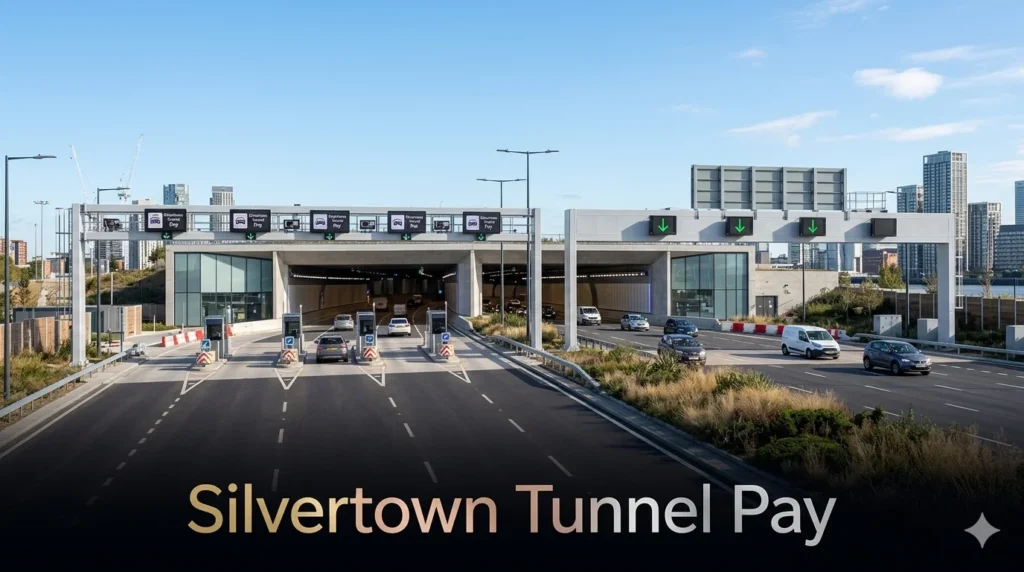
The Silvertown Tunnel pay is a road tunnel connecting Silvertown in Newham with the Greenwich Peninsula in southeast London. It was designed to reduce congestion at the nearby Blackwall Tunnel, which has experienced traffic delays and closures for decades.
Transport for London (TfL) developed the project to improve journey reliability, create additional river-crossing capacity, and support new public transport services across East London.
The tunnel officially opened in April 2025 and immediately became one of the most significant transport infrastructure projects in London.
Why Charges Were Introduced
Unlike many road Silvertown Tunnel pay in the UK, the Silvertown Tunnel pay operates with a user charging system. TfL introduced tolls not only to help fund construction and operational costs but also to manage traffic demand.
Authorities argued that leaving the new crossing free could encourage additional vehicle traffic, potentially worsening congestion rather than reducing it. Because of this, charges apply to both the Silvertown Tunnel and the Blackwall Tunnel.
The charging policy was included in planning proposals years before the tunnel opened and formed part of the project’s long-term transport strategy.
How the Silvertown Tunnel Pay System Works
When Drivers Must Pay
Silvertown Tunnel pay charges apply between 6:00 a.m. and 10:00 p.m., seven days a week. Outside those hours, vehicles can travel through the crossings without paying a charge.
The payment requirement covers both the Silvertown Tunnel and the Blackwall Tunnel. Drivers using either crossing during chargeable hours must ensure payment is made correctly.
Many motorists initially assumed only the new tunnel would be tolled. However, TfL introduced charges on both crossings to prevent drivers from avoiding fees by switching routes.
Automatic and Manual Payment Options
Drivers can pay through TfL’s Auto Pay system or by making individual payments after travel. Auto Pay generally provides the lowest available charges and automatically records journeys linked to registered vehicles.
Without Auto Pay, motorists typically pay higher rates and must remember to complete payment manually. This has become a common source of confusion, particularly among occasional users unfamiliar with London’s road charging systems.
Many drivers prefer Auto Pay because it reduces the risk of missed payments and unexpected penalty notices.
Current Silvertown Tunnel Charges
Charges for Cars and Small Vans
For cars and small vans, the lowest charge generally applies during off-peak periods when using Auto Pay. Peak-time travel costs more, especially during busy weekday commuting hours.
Peak charging periods currently apply:
- Northbound: 6:00 a.m. to 10:00 a.m.
- Southbound: 4:00 p.m. to 7:00 p.m.
- Monday to Friday
During off-peak periods, Auto Pay users receive lower rates compared with drivers paying through other methods.
The charging structure is designed to encourage travel outside the busiest traffic periods where possible.
Charges for Larger Vehicles
Larger vehicles face higher crossing fees because of their greater impact on road capacity and congestion levels.
Vehicle categories generally include:
- Motorcycles and mopeds
- Cars and small vans
- Large vans
- Heavy goods vehicles (HGVs)
Heavy commercial vehicles face the highest charges, particularly during peak periods. Businesses operating fleets across East London often factor these costs into transport planning and delivery schedules.
Peak and Off-Peak Pricing
One of the most important features of the Silvertown Tunnel pay system is variable pricing. Charges increase during busy travel periods to help manage demand.
This approach follows similar traffic-management strategies used in congestion charging schemes worldwide. By encouraging some drivers to travel at different times, authorities hope to reduce traffic pressure during rush hours.
For regular commuters, understanding peak pricing can result in noticeable savings over time.
Discounts and Exemptions Available
Support for Local Residents
TfL introduced several discount programs to reduce the impact of tunnel charges on nearby communities.
Some low-income residents living in eligible East and Southeast London boroughs can qualify for discounted tunnel charges. These programs were created to support individuals who may depend on vehicle travel for work, healthcare, or family responsibilities.
Applicants typically need to meet eligibility requirements connected to specific benefits or support programs.
The availability of discounts has become an important part of the wider debate surrounding tunnel charging fairness.
Business and Charity Discounts
Certain small businesses, sole traders, and charities located in eligible boroughs can access reduced charges.
These discounts aim to support local economic activity while helping organizations manage additional transport expenses created by the new charging system.
Businesses operating regularly across the river often benefit significantly from registering for available discount programs and Auto Pay accounts.
Vehicles That May Be Exempt
Several vehicle categories may qualify for exemptions from tunnel charges.
Examples include:
- Emergency service vehicles
- Certain NHS vehicles
- Eligible disabled tax-class vehicles
- Registered buses and coaches
- Some wheelchair-accessible transport services
Specific eligibility rules apply, and vehicle registration details must generally match qualifying categories.
Drivers should always verify exemption status directly through official TfL channels before assuming a vehicle qualifies.
Penalties for Missing a Payment
What Happens If You Forget to Pay?
Failure to pay a tunnel charge can result in a Penalty Charge Notice (PCN). Many drivers have reported receiving penalties after misunderstanding payment deadlines or incorrectly assuming Auto Pay covered previous journeys.
The issue has become especially common among occasional users unfamiliar with the new charging system.
Even motorists who attempt payment after the deadline may still receive enforcement notices if the payment window has already expired.
How Much Is the Penalty?
The standard penalty charge can reach £180, although discounts usually apply if payment is made within the specified early-payment period.
TfL limits the number of penalties issued for multiple crossings on the same day, but repeated non-payment can still become expensive.
Because penalty amounts are significantly higher than the original tolls, registering for Auto Pay remains the simplest way to avoid enforcement action.
Public Response to the Silvertown Tunnel Charges
Supporters’ Perspective
Supporters argue that tunnel charging helps manage congestion while funding a major infrastructure project that improves travel reliability.
Many transport planners believe charging both tunnels prevents drivers from simply shifting traffic between crossings. They also point to benefits such as new bus services, improved journey resilience, and better cross-river connectivity.
Some commuters have reported more predictable travel times since the tunnel opened.
Criticism From Drivers
Not everyone supports the charging scheme. Critics argue that regular commuters, delivery drivers, and local businesses face rising transport costs during a period of broader economic pressure.
Concerns have also been raised about drivers potentially diverting onto alternative routes to avoid tolls, creating congestion elsewhere.
The debate remains active, particularly among East London residents who use the crossings frequently for work and daily travel.
Tips for Managing Silvertown Tunnel Costs
Register for Auto Pay
For most drivers, Auto Pay offers the simplest and cheapest option.
Benefits include:
- Lower off-peak charges
- Automatic journey tracking
- Reduced risk of missed payments
- Easier account management
Regular users can save substantial amounts over the course of a year by registering.
Check Eligibility for Discounts
Many drivers are unaware they may qualify for reduced charges.
Residents, businesses, charities, and certain vehicle operators should review available schemes carefully. Even a small discount can significantly reduce annual travel expenses for frequent tunnel users.
Understanding eligibility rules before making regular journeys helps prevent unnecessary costs.
Frequently Asked Questions
Q: Do I have to pay for both the Silvertown Tunnel and Blackwall Tunnel?
A: Yes. Since April 2025, charges apply to both tunnels during chargeable hours. Drivers using either crossing between 6:00 a.m. and 10:00 p.m. generally need to pay.
Q: What is the cheapest way to pay the tunnel charge?
A: TfL Auto Pay usually provides the lowest available rates. It automatically records journeys and helps drivers avoid missed payments and penalty notices.
Q: What happens if I forget to pay?
A: Failure to pay can result in a Penalty Charge Notice. The penalty is significantly higher than the original toll, making timely payment extremely important.
Q: Are there discounts for local residents?
A: Yes. Certain low-income residents in eligible London boroughs may qualify for discounted tunnel charges, subject to meeting TfL’s eligibility requirements.
Q: Is the tunnel free at night?
A: Yes. Charges currently apply between 6:00 a.m. and 10:00 p.m. Outside those hours, vehicles can use the crossings without paying a tunnel charge.
Conclusion
The Silvertown Tunnel pay system has fundamentally changed how drivers travel across the Thames in East London. With charges now applying to both the Silvertown and Blackwall tunnels, understanding payment rules has become essential for commuters, businesses, and occasional visitors alike.
While the tolls remain controversial, the charging structure aims to balance traffic management, infrastructure funding, and long-term transport improvements. Drivers who register for Auto Pay, monitor peak travel periods, and explore available discounts can often reduce their overall costs significantly.
As the system continues to evolve, staying informed about charges, exemptions, and payment deadlines remains the best way to avoid penalties and make the most of the new river crossing.