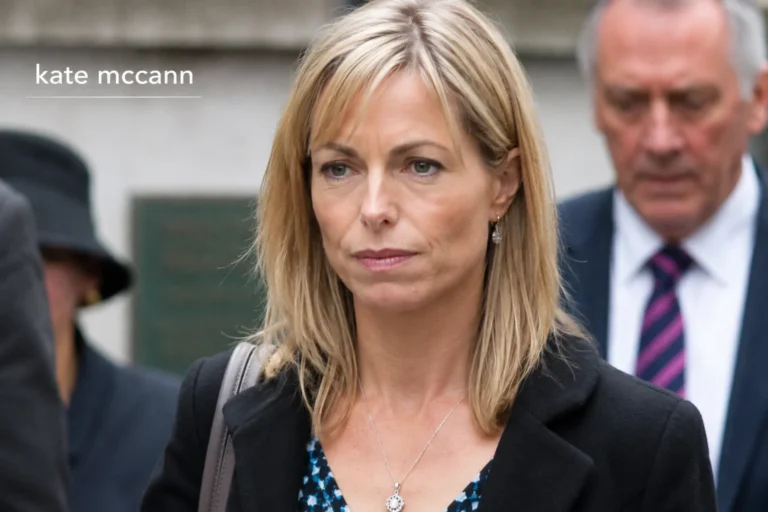
Kate McCann has established herself as one of Britain’s most recognizable political journalists. Known for her sharp interviewing style, in-depth political analysis, and extensive reporting experience, she has become a trusted voice in UK media. Over the years, her work has covered major political developments, elections, government policies, and some of the most significant events shaping modern Britain.
As audiences increasingly seek reliable political reporting, Kate McCann’s reputation has continued to grow. Her ability to communicate complex political issues in a clear and accessible way has earned respect from viewers, readers, and industry colleagues alike. This article explores her background, journalism career, achievements, and the impact she has made within British political media.
Who Is Kate McCann? A Short Biography
| Detail | Information |
|---|---|
| Full Name | Kate McCann |
| Nationality | British |
| Profession | Journalist, Political Correspondent, Broadcaster |
| Famous For | Political Journalism and Broadcasting |
| Education | University of Nottingham |
| Years Active | 2000s–Present |
| Employer History | Major UK News Organizations |
Early Life and Education
Academic Foundations
Kate McCann pursued higher education at the University of Nottingham, where she studied politics. This academic background provided a strong foundation for the career she would later build in political journalism.
Studying politics offered valuable insight into government systems, public policy, elections, and political institutions. These subjects would eventually become central to her reporting and analysis throughout her professional life.
Many successful political journalists begin with a strong understanding of political theory and public affairs. Kate McCann’s educational path helped prepare her for the demands of covering complex national issues.
Interest in Journalism
While her academic focus centered on politics, journalism became the field where she could combine analysis with storytelling. Political reporting requires more than knowledge of government structures. It also demands communication skills, investigative ability, and the capacity to explain complicated developments to a broad audience.
Over time, she developed a reputation for delivering clear and balanced reporting, helping viewers better understand the political landscape in the United Kingdom.
Her career reflects the growing importance of journalists who can bridge the gap between political institutions and the general public.
Building a Career in Political Journalism
Early Reporting Experience
Like many respected journalists, Kate McCann built her career through years of reporting experience. Early assignments allowed her to develop essential skills such as source-building, research, interviewing, and deadline reporting.
Political journalism often requires covering rapidly changing situations where accuracy is critical. These experiences helped her establish credibility and professional confidence within a highly competitive industry.
As her expertise grew, so did her opportunities to cover increasingly significant political stories.
Rise as a Political Correspondent
Kate McCann gained wider recognition through her work as a political correspondent. This role placed her at the center of major developments in British politics, including elections, leadership contests, parliamentary debates, and policy announcements.
Political correspondents play an important role in explaining government decisions and holding public officials accountable. Their reporting helps citizens understand how political developments affect everyday life.
Her ability to ask direct questions and analyze complex issues contributed to her growing visibility within national media.
Covering Major Political Events
Throughout her career, Kate McCann has reported on numerous significant moments in modern British politics. From election campaigns to leadership transitions, her reporting has helped audiences follow important national conversations.
Political journalism often involves long hours, extensive travel, and constant adaptation to breaking news. Covering major events requires both preparation and the ability to respond quickly when situations change.
Her work has demonstrated the importance of informed reporting during periods of political uncertainty and public debate.
Broadcasting and Media Presence
Transition to Television Journalism
Television reporting brought Kate McCann’s work to a broader audience. Broadcasting requires journalists to communicate clearly while maintaining accuracy under intense public scrutiny.
Political television journalism combines reporting, analysis, and live coverage. Presenters and correspondents must explain complex developments in real time while remaining objective and informative.
Her on-screen presence has helped make political news more accessible to viewers who may not regularly follow parliamentary proceedings or policy discussions.
Interviewing Political Leaders
One of the defining aspects of Kate McCann’s career has been her work interviewing political figures. Effective political interviews require preparation, confidence, and a deep understanding of the issues being discussed.
Journalists often serve as representatives of the public during these conversations. Their questions can help clarify government decisions, challenge inconsistencies, and encourage transparency.
Kate McCann’s interviewing approach has been noted for balancing professionalism with persistence, ensuring important topics receive thorough examination.
Public Recognition and Influence
As her profile has grown, Kate McCann has become a familiar figure within British political media. Recognition in journalism is often earned through consistency, credibility, and years of reliable reporting.
Her work has contributed to broader public understanding of political developments during periods of significant national change. This influence reflects the continuing importance of trusted journalism in democratic societies.
In an era of rapid information sharing, experienced political correspondents remain essential sources of context and analysis.
Kate McCann as an Author
Expanding Beyond Journalism
In addition to broadcasting and reporting, Kate McCann has also contributed to political literature through her writing. Journalists often bring unique perspectives to books because of their direct access to political figures, campaigns, and major events.
Writing allows for deeper exploration of topics that may receive only limited coverage in daily news reporting. Books provide an opportunity to examine personalities, decisions, and political developments in greater detail.
This transition from reporting to authorship reflects her broader expertise in political affairs.
Insight Into Modern Politics
Political books written by experienced journalists often help readers understand the human side of government and leadership. They can reveal the challenges, pressures, and decision-making processes that shape political outcomes.
Kate McCann’s contributions as an author complement her journalism career by offering additional context and perspective on contemporary politics.
Readers interested in political history and leadership often appreciate the detailed insights that experienced reporters can provide.
The Role of Women in Political Journalism
Breaking Barriers in Media
Political journalism has traditionally been a demanding and highly competitive field. Over time, more women have gained prominence as correspondents, editors, presenters, and commentators.
Kate McCann represents a generation of journalists helping shape modern political coverage. Her success reflects broader progress within the media industry and demonstrates the value of diverse perspectives in reporting.
The presence of skilled female journalists has enriched political discourse and expanded representation within news organizations.
Inspiring Future Journalists
Many aspiring reporters look to established professionals for inspiration and guidance. Kate McCann’s career illustrates the importance of expertise, persistence, and continuous learning in journalism.
Young journalists entering the profession can learn from her commitment to accuracy, preparation, and informed reporting. These qualities remain essential regardless of changes in technology or media platforms.
Strong journalism continues to depend on individuals who are willing to ask difficult questions and pursue factual information.
Frequently Asked Questions
Q: Who is Kate McCann?
A: Kate McCann is a British journalist and political correspondent known for her reporting, broadcasting work, and coverage of major political events in the United Kingdom.
Q: What is Kate McCann famous for?
A: She is best known for political journalism, television reporting, interviews with political leaders, and analysis of UK government and parliamentary affairs.
Q: Where did Kate McCann study?
A: Kate McCann studied politics at the University of Nottingham, a background that helped prepare her for a career covering political news and public affairs.
Q: Has Kate McCann written any books?
A: Yes, she has contributed to political writing and publishing, expanding her work beyond journalism into longer-form analysis of political topics.
Q: Why is Kate McCann respected in journalism?
A: She is respected for her political expertise, thorough reporting, strong interviewing skills, and ability to explain complex issues clearly to audiences.
Conclusion
Kate McCann has built a distinguished career through dedication to political journalism, thoughtful analysis, and effective communication. Her work has helped audiences understand some of the most important developments in modern British politics, from elections and policy debates to leadership changes and national events.
Beyond reporting, her contributions as a broadcaster and author have strengthened her reputation as a trusted voice in political media. As journalism continues to evolve in the digital age, professionals like Kate McCann remain essential for providing context, accountability, and reliable information.
For anyone interested in politics, media, or public affairs, her career offers an excellent example of how expertise, persistence, and integrity can shape meaningful journalism.