
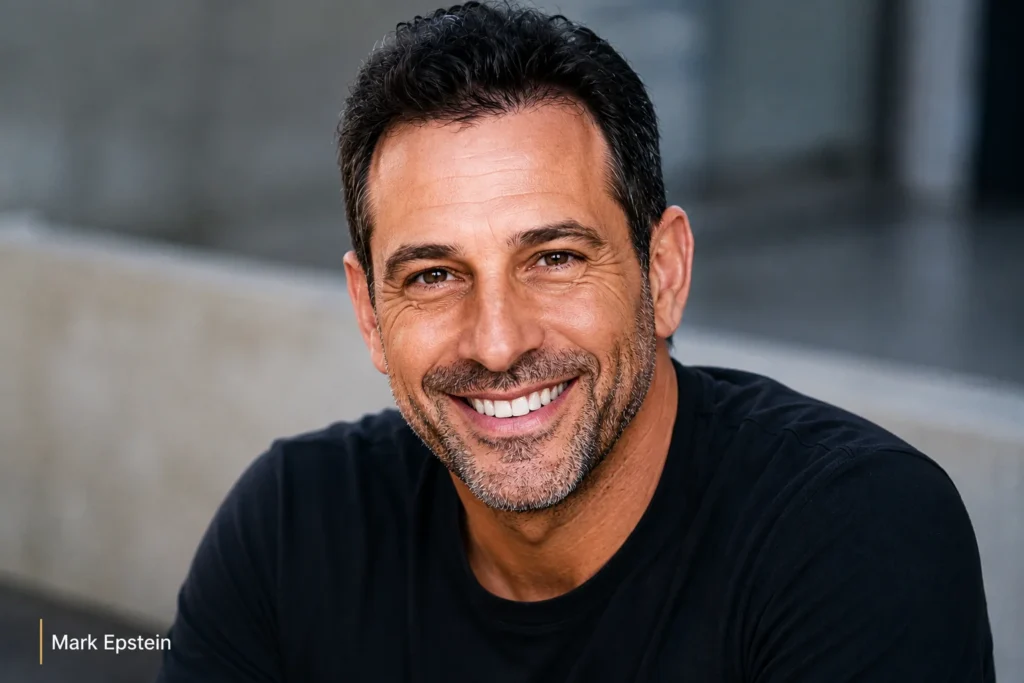
Few contemporary thinkers have done more to connect Eastern spirituality with Western psychology than Mark Epstein. As a psychiatrist, author, and longtime practitioner of Buddhist meditation, he has spent decades exploring how ancient wisdom can help people navigate modern emotional challenges.
Through bestselling books, clinical practice, and public speaking, Mark Epstein has become one of the most respected voices at the intersection of mindfulness, psychotherapy, and personal growth. His work has influenced therapists, meditation practitioners, and everyday readers seeking a deeper understanding of themselves. This article explores his background, professional journey, major books, and the enduring influence of his ideas on psychology and spirituality.
Who Is Mark Epstein? A Short Biography
| Detail | Information |
|---|---|
| Full Name | Mark Epstein |
| Birth Year | 1953 |
| Nationality | American |
| Profession | Psychiatrist, Author |
| Education | Harvard College, Harvard Medical School |
| Famous For | Integrating Buddhism and Psychotherapy |
| Marital Status | Married |
| Spouse | Arlene Shechet |
| Children | 2 |
| Source of Income | Psychiatry, Writing, Speaking |
| Official Website | MarkEpsteinMD.com |
Early Life and Education
Academic Foundations at Harvard
Mark Epstein was born in 1953 in the United States and later attended Harvard College before earning his medical degree from Harvard Medical School. His academic path initially followed a traditional medical route, but his intellectual interests extended far beyond conventional psychiatry.
While studying medicine, he became increasingly interested in questions surrounding consciousness, suffering, identity, and human fulfillment. These interests would eventually shape the unique perspective that distinguished his career from many of his contemporaries.
Introduction to Buddhism
Before establishing himself as a psychiatrist, Epstein immersed himself in Buddhist teachings and meditation practices. He studied with influential teachers such as Joseph Goldstein and Jack Kornfield and began practicing insight meditation during the 1970s.
His early experiences with meditation convinced him that Buddhist psychology offered valuable insights into human suffering and emotional well-being. Rather than viewing spirituality and psychiatry as separate disciplines, he began exploring how they might complement one another.
Career as a Psychiatrist
Building a Practice in New York City
After completing his psychiatric training, Mark Epstein entered private practice in New York City. His work focused on helping patients understand emotional pain, anxiety, trauma, and personal transformation through both traditional psychotherapy and mindfulness-based perspectives.
Unlike many mental health professionals of his era, Epstein was willing to examine how Buddhist concepts such as impermanence, compassion, and non-attachment could enhance therapeutic practice. This approach attracted readers and patients interested in both psychological healing and spiritual growth.
Academic and Professional Contributions
In addition to his clinical work, Epstein served as a Clinical Assistant Professor connected with psychotherapy and psychoanalysis programs at New York University. He also became a contributing editor to Tricycle: The Buddhist Review, one of the most respected publications focused on Buddhist thought in the West.
His academic contributions helped legitimize conversations between psychotherapy and contemplative traditions at a time when such discussions were still emerging within mainstream psychology.
Mark Epstein’s Most Influential Books
Thoughts Without a Thinker
Published in the 1990s, Thoughts Without a Thinker became one of Epstein’s most influential works. The book explored parallels between Buddhist teachings and psychoanalytic theory, introducing many Western readers to the idea that mindfulness and therapy could work together rather than in opposition.
The book gained recognition for making complex psychological and spiritual concepts accessible to general audiences. It remains a frequently recommended text for readers interested in mindfulness-based approaches to mental health.
Going to Pieces Without Falling Apart
Another widely read work, Going to Pieces Without Falling Apart, challenged common assumptions about personal identity and emotional resilience. Epstein argued that psychological growth often involves embracing vulnerability rather than constantly attempting to strengthen the ego.
The book resonated with readers because it offered a compassionate alternative to self-improvement narratives focused solely on achievement and control. Instead, it emphasized acceptance, awareness, and emotional honesty.
Open to Desire
One of Mark Epstein’s most discussed books is Open to Desire. In this work, he challenged the common belief that Buddhism requires the rejection of desire altogether. Instead, he argued that desire can deepen intimacy, creativity, and connection when approached with awareness.
The book drew attention because it addressed a topic often misunderstood in both spiritual and psychological circles. Epstein presented desire not as an obstacle to growth but as a powerful aspect of human experience that can be understood and transformed.
The Core Philosophy of Mark Epstein
Buddhism and Modern Psychology
At the center of Epstein’s work is the belief that Buddhism and psychotherapy address many of the same human concerns. Both seek to reduce suffering, improve self-awareness, and help individuals develop healthier relationships with their emotions.
Rather than replacing psychotherapy with spirituality, he argues that the two disciplines can enrich one another. This balanced perspective has helped his work appeal to both mental health professionals and spiritual practitioners.
Understanding the Self
A recurring theme throughout Epstein’s writing is the nature of the self. Traditional psychotherapy often focuses on developing a stronger sense of identity, while Buddhism questions the existence of a fixed, permanent self.
Epstein explores this apparent contradiction by suggesting that psychological health comes not from eliminating identity but from holding it more lightly. His writings encourage readers to become less attached to rigid self-concepts and more open to change and growth.
Trauma, Healing, and Mindfulness
Many of Epstein’s later works examine trauma and emotional healing. He emphasizes that suffering is not limited to major life events; everyday experiences of fear, loneliness, loss, and uncertainty can also leave lasting psychological effects.
Mindfulness, according to Epstein, helps individuals face difficult emotions without becoming overwhelmed by them. This perspective has influenced therapists and mindfulness practitioners seeking practical ways to address emotional distress.
Recent Work and Continuing Influence
The Zen of Therapy
One of Epstein’s more recent books, The Zen of Therapy, reflects on the therapeutic relationship and the role of kindness, trust, and awareness within the healing process. The book draws from years of clinical experience and meditation practice.
Readers and reviewers praised the work for its thoughtful exploration of how psychotherapy can become a form of meaningful human connection rather than merely a clinical procedure.
Influence on Modern Mindfulness
The popularity of mindfulness in Western culture has created renewed interest in Epstein’s ideas. Long before mindfulness became a mainstream wellness trend, he was exploring how meditation practices could support psychological health and emotional resilience.
Today, his books continue to be recommended in discussions about mental health, contemplative practice, and personal development. His influence extends across psychology, psychiatry, mindfulness education, and Buddhist studies.
Frequently Asked Questions
Q: Who is Mark Epstein?
A: Mark Epstein is an American psychiatrist, author, and meditation practitioner known for integrating Buddhist philosophy with modern psychotherapy. He has written numerous influential books on mindfulness, psychology, and emotional healing.
Q: What is Mark Epstein famous for?
A: He is best known for exploring the relationship between Buddhism and psychotherapy. His books have helped popularize mindfulness-based approaches to understanding emotional suffering and personal growth.
Q: What are Mark Epstein’s most popular books?
A: Some of his best-known works include Thoughts Without a Thinker, Going to Pieces Without Falling Apart, Open to Desire, The Trauma of Everyday Life, and The Zen of Therapy.
Q: Is Mark Epstein a practicing psychiatrist?
A: Yes. Mark Epstein has maintained a private psychiatric practice in New York City while also teaching, writing, and speaking about psychology and Buddhist philosophy.
Q: What is the main message of Mark Epstein’s work?
A: His central message is that mindfulness, self-awareness, and compassionate understanding can help people navigate suffering, relationships, trauma, and personal transformation more effectively.
Conclusion
Mark Epstein has spent decades building a unique bridge between ancient Buddhist wisdom and contemporary psychotherapy. Through his clinical work, teaching, and influential books, he has helped countless readers understand that emotional healing does not require choosing between psychology and spirituality.
His writings offer a thoughtful exploration of desire, identity, trauma, mindfulness, and personal growth. By combining rigorous psychiatric training with decades of meditation practice, Epstein has created a body of work that continues to resonate with therapists, spiritual seekers, and anyone interested in understanding the human mind more deeply.
As conversations about mental health and mindfulness continue to evolve, Mark Epstein’s insights remain as relevant as ever, offering practical wisdom for navigating the challenges of modern life.