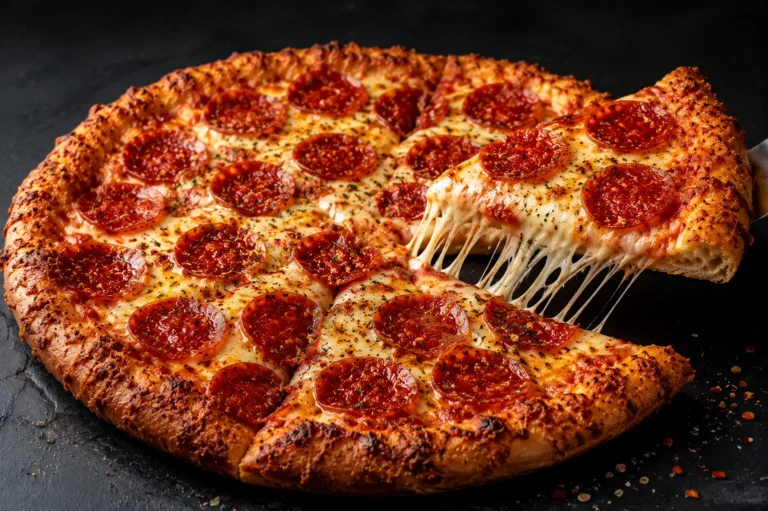
Crisp pizza has become one of the most searched styles of homemade and restaurant pizza for good reason. While some people love soft and chewy crusts, others crave that satisfying crunch that comes from a perfectly baked slice with a golden, crispy base. From classic Italian techniques to modern home oven tricks, achieving the ideal crisp pizza is both a science and an art.
The texture of pizza can completely change the eating experience. A crispy crust delivers balance, structure, and deeper flavor, especially when paired with rich tomato sauce, melted cheese, and fresh toppings. Whether you are making pizza at home or searching for ways to improve your baking skills, understanding what creates a crisp crust can transform ordinary pizza into something unforgettable.
This guide explores what makes crisp pizza unique, the best dough methods, baking techniques, ingredient choices, and expert tips for achieving restaurant-style results at home.
What Makes Crisp Pizza Different?
The Importance of Texture
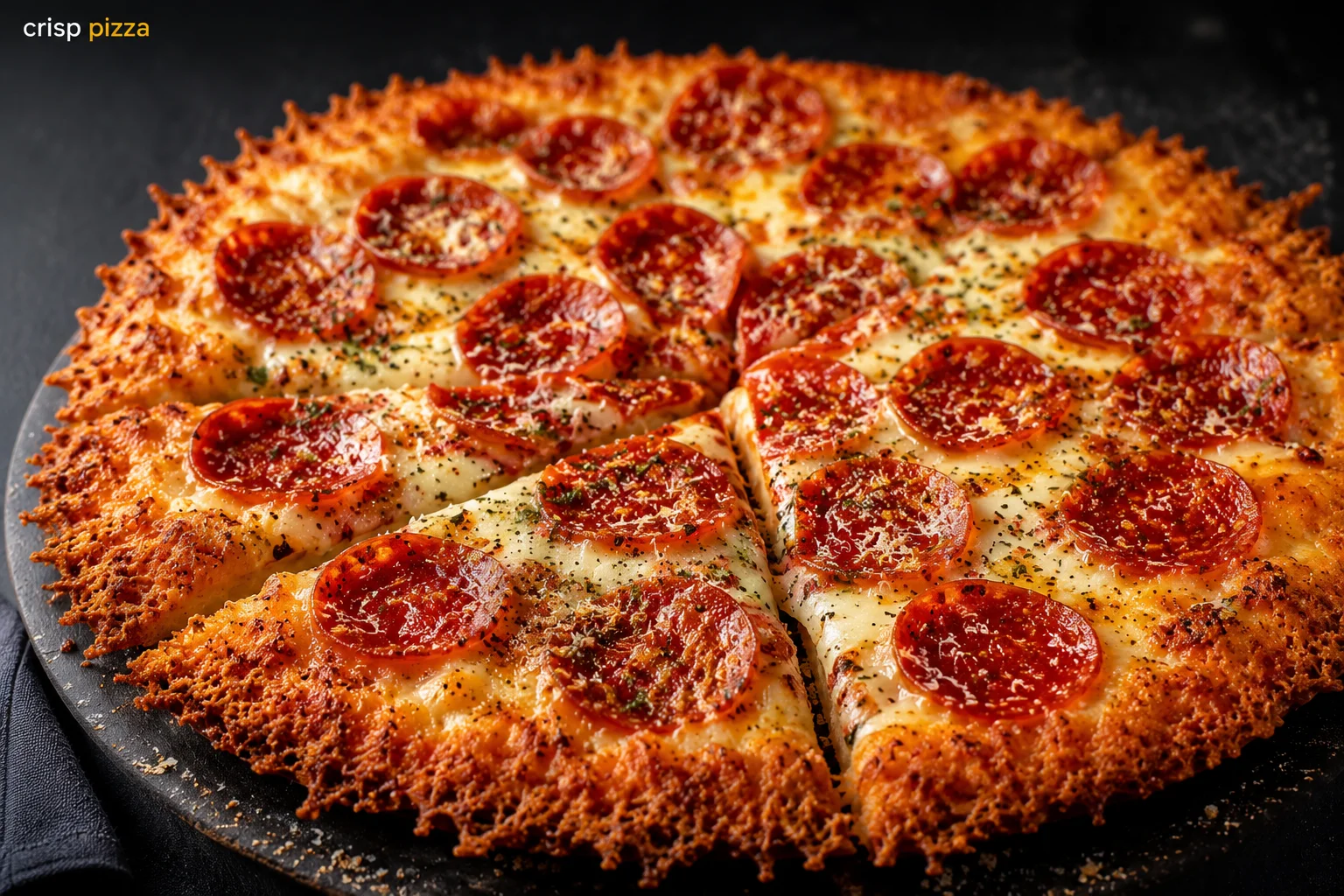
Crisp pizza stands out because of its texture. Unlike soft or heavily doughy styles, a crispy crust creates a delicate crunch while still maintaining a light interior. That contrast between crisp edges and airy dough is what many pizza lovers consider the perfect bite.
Texture affects flavor more than people realize. When pizza dough becomes crisp during baking, natural sugars and proteins caramelize on the surface, creating deeper savory notes. This process gives crispy pizza its signature golden-brown appearance and satisfying taste.
The crunch also helps support toppings more effectively. A well-made crispy crust prevents slices from becoming soggy, especially when using fresh mozzarella, vegetables, or olive oil-based toppings.
Thin Crust vs Crisp Crust
Many people assume thin crust automatically means crispy pizza, but the two are not exactly the same. A thin pizza can still become soft if baked improperly or overloaded with sauce and cheese.
Crisp pizza depends more on moisture control, oven temperature, dough preparation, and baking surface than thickness alone. Some thicker pizzas can even develop crispy bottoms while maintaining soft interiors.
The real goal is achieving balance. Great crispy pizza should crack slightly when bitten while still feeling fresh and light rather than dry or overcooked.
The Science Behind a Crispy Pizza Crust
High Heat Creates Better Results
One of the most important factors in making crisp pizza is high-temperature baking. Traditional wood-fired pizza ovens often reach temperatures above 700°F, allowing dough to cook rapidly while developing crisp edges and a charred exterior.
Home ovens rarely reach those temperatures, but preheating thoroughly can still produce excellent results. Baking pizza on a very hot surface helps moisture evaporate quickly from the dough, which is essential for crispness.
Without enough heat, dough remains pale and soft because water stays trapped inside the crust instead of baking away efficiently.
Dough Hydration and Crispness
The amount of water in pizza dough directly affects texture. High-hydration dough creates airy and chewy crusts, while slightly lower hydration often produces a firmer and crispier result.
That does not mean dry dough is better. Balance remains essential because overly dry dough can become dense and cracker-like. Most crisp pizza recipes aim for dough that is elastic, workable, and capable of browning evenly.
Long fermentation also improves texture. Allowing dough to rest slowly in the refrigerator develops stronger flavor and better crust structure during baking.
Why Moisture Control Matters
Excess moisture is one of the biggest enemies of crisp pizza. Watery sauce, fresh vegetables, or overloaded cheese can quickly soften the crust during baking.
Professional pizza makers often reduce sauce thickness slightly and avoid excessive toppings when aiming for a crispy texture. Ingredients like mushrooms or fresh tomatoes may also be pre-cooked to remove extra moisture before baking.
Even after the pizza leaves the oven, steam can soften the crust if slices are stacked or covered immediately.
Best Techniques for Making Crisp Pizza at Home
Use a Pizza Stone or Steel
A pizza stone or pizza steel dramatically improves crust texture because it stores intense heat and transfers it directly into the dough. This helps mimic the floor of professional pizza ovens.
Pizza steels usually create even crispier bottoms because metal transfers heat more aggressively than stone. Many home pizza enthusiasts prefer steel for achieving restaurant-style crunch in standard kitchen ovens.
Preheating the surface properly is critical. Most experts recommend heating the stone or steel for at least 45 minutes before baking pizza.
Stretch Dough Thinly and Evenly
How dough is shaped also affects crispness. Uneven thickness can lead to soft areas that bake more slowly than the rest of the crust.
Hand stretching generally works better than rolling pins because it preserves air pockets while still creating a thin, balanced base. Overworking the dough can compress those pockets and create dense texture.
A slightly thinner center with raised edges often produces the best combination of crunch and structure.
Avoid Overloading Toppings
One common mistake in homemade pizza is adding too many toppings. While extra cheese and sauce may seem appealing, excessive weight traps steam and prevents the crust from crisping properly.
For crisp pizza, restraint usually creates better flavor and texture. Fewer ingredients allow heat to circulate evenly and help the crust remain light and crunchy.
Classic pizzas like Margherita or simple pepperoni often achieve better crispness because of their balanced topping ratios.
Popular Styles of Crisp Pizza
New York Style Pizza
New York-style pizza is famous for its large, foldable slices with thin yet crisp edges. The crust usually develops a slight crunch underneath while remaining flexible enough to fold.
This style relies heavily on high-gluten flour, strong dough development, and high-temperature baking. Many pizzerias also use deck ovens that help create the characteristic crisp bottom.
The balance between chewiness and crispness makes New York pizza one of the world’s most popular styles.
Tavern-Style Pizza
Tavern-style pizza, especially common in the American Midwest, is known for its extremely thin and crispy crust cut into square slices. Unlike softer Neapolitan pizza, this version delivers a cracker-like crunch throughout.
The style became especially popular in Chicago taverns and bars because it was easy to share socially. Thin dough and lower moisture levels contribute to its signature crisp texture.
Today, tavern-style pizza is gaining broader recognition among pizza enthusiasts looking for extra crunch.
Roman-Style Pizza
Roman pizza often features a crisp exterior with airy interior texture. Some versions are baked in rectangular trays, while others use thin round dough baked until deeply golden.
Olive oil plays an important role in many Roman pizza recipes, helping create crisp edges and rich flavor. The crust is usually lighter and crunchier than traditional Neapolitan pizza.
Its combination of crispness and airy structure has made Roman pizza increasingly popular worldwide.
Common Mistakes That Ruin Crisp Pizza
Using Too Much Sauce
Excess sauce introduces extra moisture that prevents the crust from browning properly. Even flavorful homemade sauce can weaken texture if applied too heavily.
A thin, balanced layer allows dough to bake evenly while still delivering strong tomato flavor.
Baking at Low Temperature
Low oven temperatures force pizza to bake slowly, which dries toppings before the crust fully crisps. Proper heat is essential for achieving restaurant-style texture.
Whenever possible, bake pizza at the highest safe temperature your oven allows.
Skipping Preheating
Placing pizza into a partially heated oven or onto a cool baking tray prevents rapid crust development. Preheating thoroughly is one of the easiest ways to improve crispness immediately.
Professional pizza makers treat heat preparation as seriously as dough preparation itself.
Frequently Asked Questions
Q: What makes pizza crust crispy?
A: High oven temperature, proper dough hydration, and moisture control are the biggest factors behind crispy pizza crust. Using a pizza stone or steel also helps create better texture.
Q: Is crisp pizza healthier than thick pizza?
A: Crisp pizza often uses thinner dough and fewer toppings, which may reduce overall calories. However, nutritional value still depends on ingredients, portion size, and preparation methods.
Q: Can I make crisp pizza in a regular home oven?
A: Yes. A hot oven, pizza steel or stone, and balanced toppings can produce excellent crispy pizza even without a professional pizza oven.
Q: Why does my homemade pizza turn soggy?
A: Excess sauce, watery toppings, insufficient oven heat, or undercooked dough commonly cause soggy pizza crust.
Q: What flour works best for crisp pizza?
A: High-protein bread flour is popular because it creates strong gluten structure and better browning during baking.
Conclusion
Crisp pizza delivers a satisfying combination of crunch, flavor, and texture that many pizza lovers consider the ultimate slice experience. Achieving that perfect crust depends on several factors, including dough preparation, oven temperature, moisture control, and baking technique.
From New York-style slices to ultra-thin tavern pizza, crispy crusts continue to dominate modern pizza trends because they enhance both flavor and structure. Even small adjustments like preheating longer or reducing toppings can dramatically improve homemade pizza results.
Whether you are an experienced home cook or simply experimenting in your kitchen, mastering crisp pizza techniques can elevate every slice into something far more memorable and delicious.